
Culinary enthusiasts the world over are well acquainted with the wonders of Italian cuisine, with Tuscan cooking being particularly alluring. While you likely already have a slew of traditional Florentine dishes on your must-try list ahead of your visit to the regional capital, it’s just as exciting to look at the story behind the food.
In this article, we’ll dive into the storied histories and humble beginnings of some of Florence’s most legendary bites. I’ve selected three of the dishes that best represent the city’s passion for rustic cooking, quality ingredients, and timeless recipes.
What Are The Three Dishes That Tell You Everything About Florence?
Sampling classic Florentine fare isn’t just about soaking up the unforgettable flavors and textures (though these are certainly key components!), but it also gives you a deeper insight into the principles underpinning the delicious fare.
This is a city that has produced both a steak of near-ceremonial simplicity and a tripe sandwich eaten from a market cart. Each is essential in its own way and displays the contrasts in Florence’s dining scene.
If you’re familiar with the concept of ‘cucina povera,’ which translates to ‘peasant cooking,’ you’ll already have an idea of what to expect from the local fare in Florence. This style of cooking dates back to the Middle Ages and is all about being resourceful and avoiding any waste. Think seasonal produce, cheap cuts of meat, and oh-so-hearty flavor profiles.
The beauty of traditional Florentine dishes is how simple they are. No matter what local delight you’re indulging in, you’ll notice that the key ingredients take center stage, while embellishments are kept to a minimum. This idea doesn’t just apply to celebratory specialty fare; it’s also at the root of everyday street food bites.
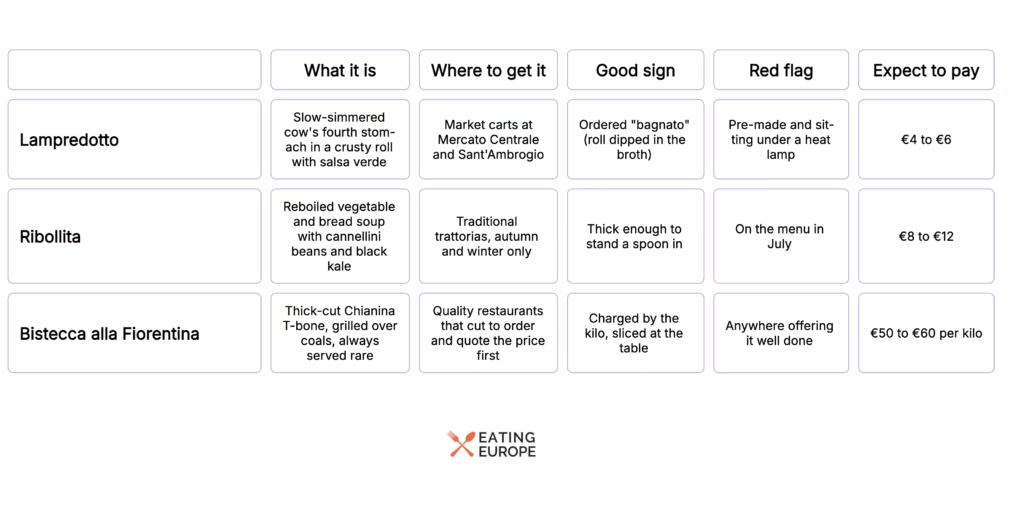
There are perhaps no three dishes that showcase the cornerstones of Florentine cuisine quite like the beloved lampredotto sandwich, a nourishing bowl of ribollita, and the iconic bistecca alla fiorentina. Once you’ve understood what goes into these creations, the rest of the menu will start to make sense.
For those wondering what to eat in Florence, you’ll want to take an in-depth look at each of these Tuscan staples.
Lampredotto — The Street Food Locals Are Proudest Of
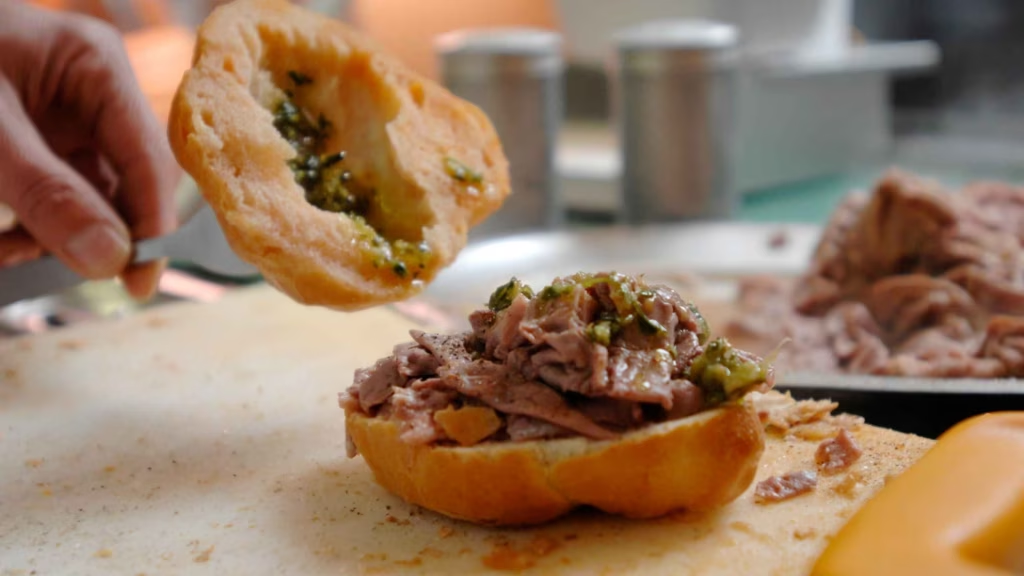
When thinking about traditional Florentine dishes, the unassuming lampredotto sandwich may not initially spring to mind. However, ask any local for tips about what to eat in Florence, and I’m willing to bet this will be among the most common answers!
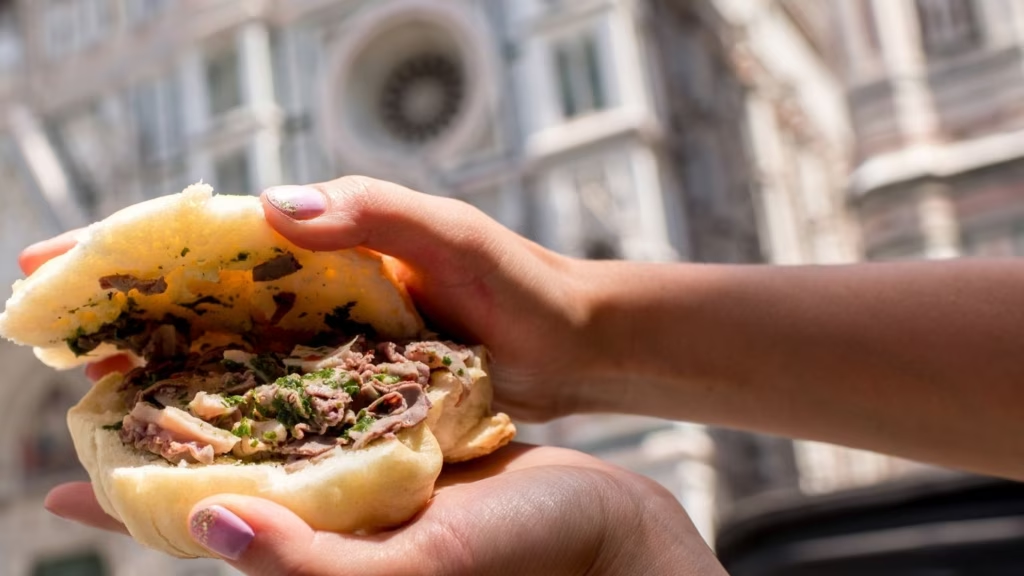
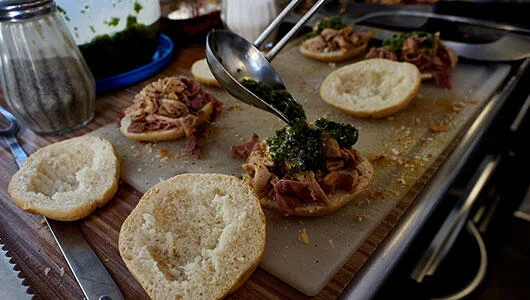
The focal point of this wholesome sandwich is the filling. Made from the fourth stomach of the cow, this meat is slow-cooked for hours in a steaming vegetable-based broth of tomatoes, carrots, onions, and celery until melt-in-your-mouth tender. It’s then stuffed inside a fresh bread roll and topped with zesty salsa.
While tripe isn’t typically known for its strong taste, this dish is bursting with rich, deep, savory flavors balanced by the vibrancy of the sauce. I would say that it tastes more like slow-braised beef than anything else.
If you want to really dine like a local, pick up yours from a cart or stall at the Mercato Centrale or Sant’Ambrogio Market and opt for it ‘bagnato,’ meaning dipped in the broth.
Ribollita — The Soup That Explains Tuscan Cooking
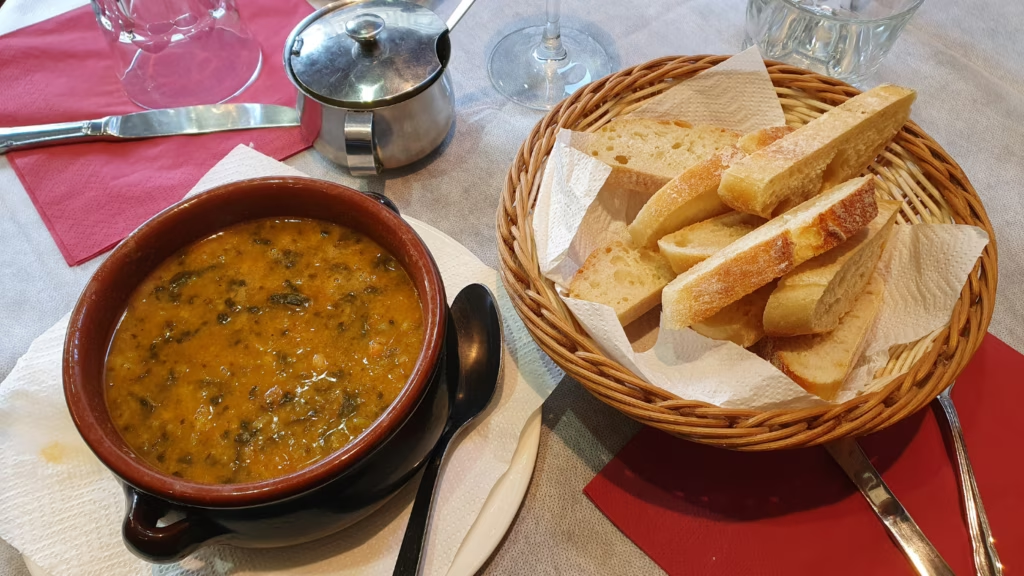
Ribollita is among the most beloved traditional Florentine dishes, standing as a hallmark of cucina povera. The name of this heartwarming Tuscan alternative to minestrone translates to ‘reboiled,’ as it’s simply made by reheating day-old vegetable soup mixed with chunks of stale bread.
There can be plenty of variations of this winter favorite, though some non-negotiables include cannellini beans, black kale, and unsalted bread. Although the hefty salt taxes previously imposed on Florentines, which forced them to bake without it, are long gone, this style of bread remains a key component of ribollita, offsetting the soup’s salinity.
When searching for a quality bowl of ribollita, it’s important to keep the consistency and season in mind. If it’s not thick enough to stand a spoon in, or you spot it on a menu during spring or summer, it’s best to steer clear!
Bistecca alla Fiorentina — A Steak With Rules
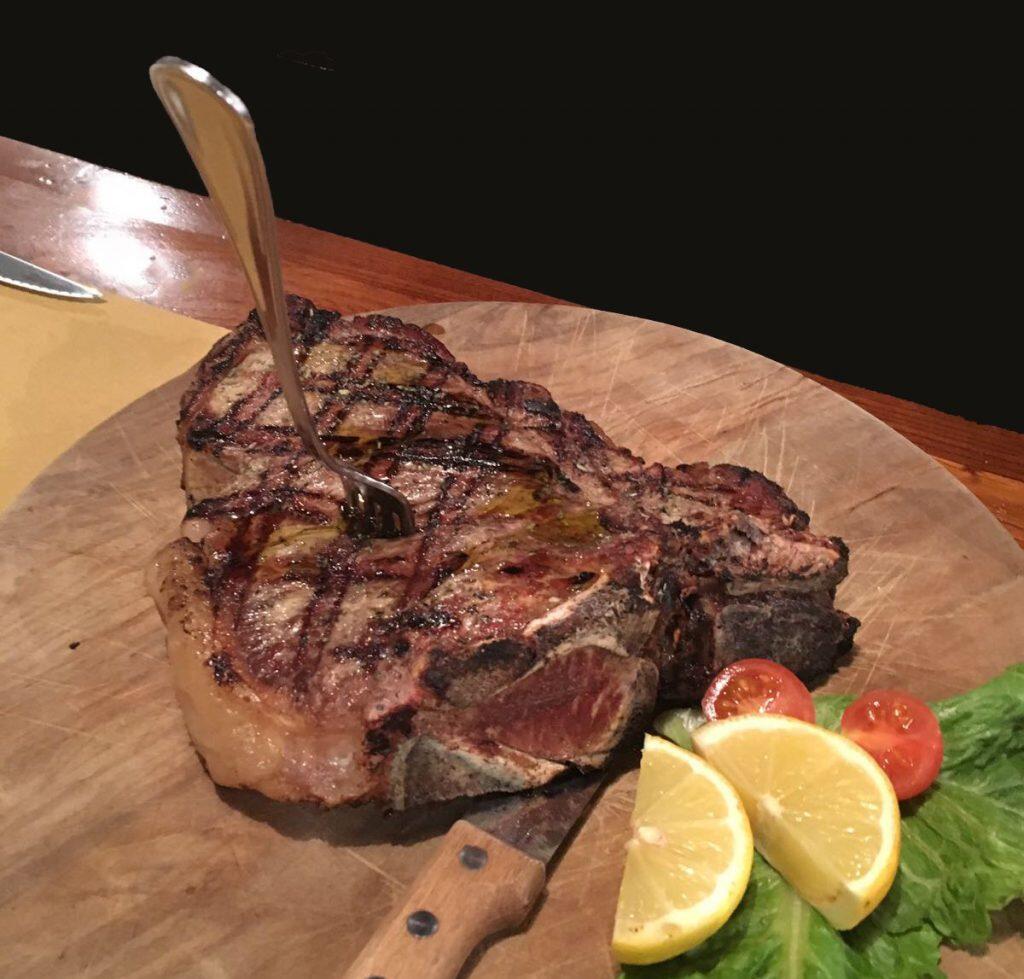
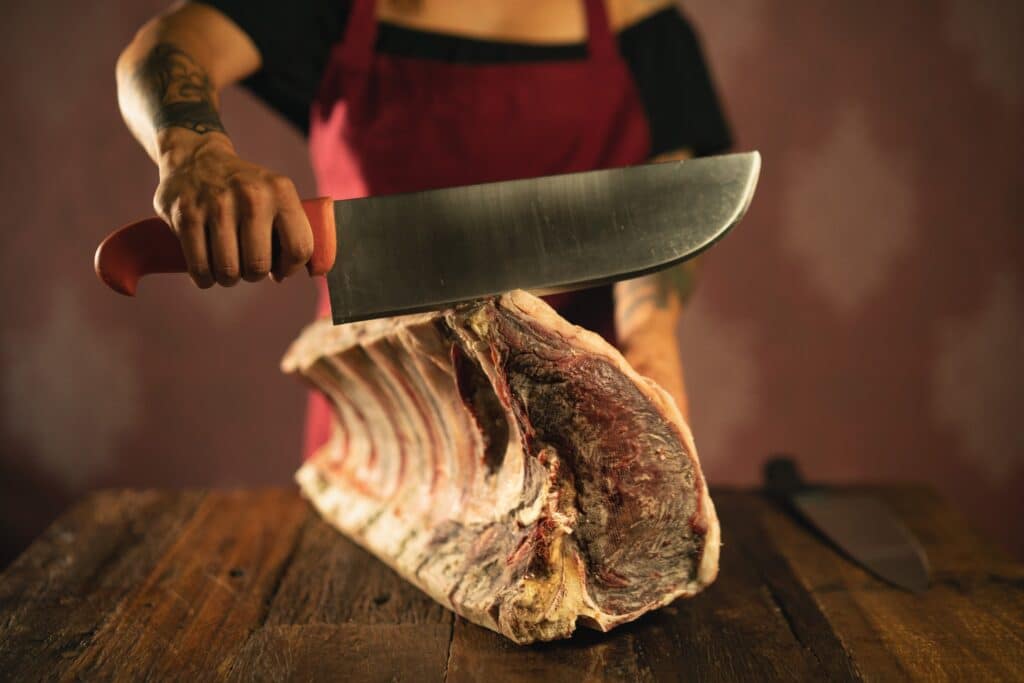
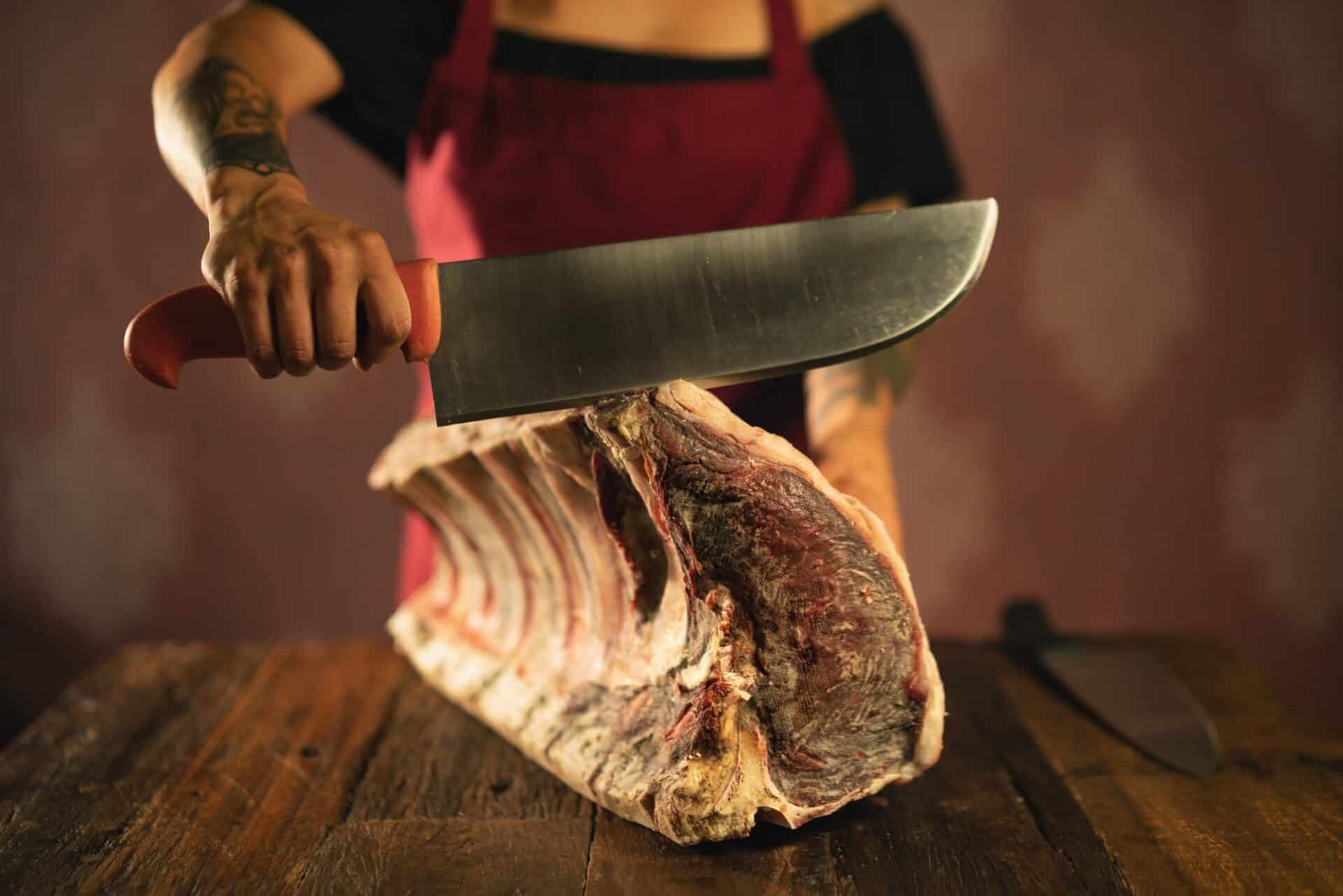
A Florentine dish you’re sure to be familiar with is the legendary bistecca alla Fiorentina. Made exclusively from Chianina beef from cattle raised in Val di Chiana, this thick-cut t-bone steak is grilled over hardwood coals until the crust is charred. It’s then salted and doused in olive oil before being sliced off the bone at the table.
While other cuts of beef may be cooked to your preference, Florentine steak should only be served rare. This is largely due to the thickness of the cut, which can be up to three inches. If the meat were cooked through, the exterior would become dry and tough. Moreover, Chianina beef is very lean, meaning there’s less fat to keep the interior juicy.
Bistecca alla Fiorentina can be quite expensive, and so it’s mostly reserved for special occasions. Quality restaurants will usually display the meat, cut it to order, and charge by the kilogram, quoting the price before cooking.
What Other Foods Should I Order in Florence?
While this is by no means an exhaustive guide to traditional Florentine dishes, I’ve included a quick overview below of a handful of my other favorites that follow this simplistic approach to cooking.
Schiacciata – It’s incredibly easy to find Tuscan bread without salt, but salted varieties can be trickier to come by. Schiacciata is the exception. Akin to a thinner, crispier version of focaccia, this oil-brushed bread was originally used to merely test if an oven was hot enough before higher-quality loaves were baked.
Panzanella – Rather than let leftover loaves go to waste, rural Tuscans added seasonal ingredients like tomatoes, cucumbers, and basil to a bowl of stale, chopped bread to create this tasty, no-frills summer salad.
Cantucci – Crispy, sweet, and twice-baked, these almond cookies initially became popular for their long shelf life. Nowadays, they’re a much-loved treat that are best enjoyed dipped in dessert wines like Vin Santo.
If you’re a curious foodie eager to dive a little deeper into Florentine cuisine, you might prefer to do so with a knowledgeable, like-minded local. We offer a wide variety of outings that can take your dining experience up a notch, such as our Florence dinner tour.
These curated excursions are perfect if you want to dig beneath the surface of the city’s famed and lesser-known eats.
Know What to Order in Florence
After taking a closer look at what makes each of these dishes uniquely Florentine, you can examine any menu in the Tuscan capital with a richer understanding of the culinary traditions.
That said, if you want to avoid feeling like you’re checking foods off a list and are keen to uncover little-known spots, take a look at our Florence food tours to find an experience suited to your tastes.
Frequently Asked Questions
What does lampredotto taste like?
Lampredotto blends rich and savory notes with a hint of earthiness. The meat is slow-cooked, making it surprisingly tender with just a little chewiness. These flavors and textures are balanced with the crusty bread roll and herbaceous salsa verde.
Can I order bistecca alla Fiorentina well done?
Florentine steak should never be served well done, and you’ll struggle to find a restaurant that will prepare the dish in this way. When cooked through, this particular cut of beef tends to be dry and tough. As such, it’s best to either embrace the tradition or opt for an alternative cut.
When is the best time of year for ribollita?
Ribollita is a go-to dish for Florentines during the autumn and winter months. Not only is it best enjoyed when the weather is on the chillier side, but many of the integral ingredients are at their tastiest during the cooler months, such as black kale and various root vegetables.
Can I try all three on a food tour?
Each of these traditional Florentine dishes is featured on our Florence food tours. For example, you can sample lampredotto on our Florence Central Market food tour or ribollita on our Florence sunset food and wine tour.
Elevate your Tuscan adventure with one of our meticulously planned Florence food tours.
Sources
Eating Europe. (n.d.). Florence dinner tour: Truffle, Florentine steak & fine wines. Eating Europe. Retrieved June 8, 2026, from https://minceur-vital.today/florence/dinner-tour-truffle-florentine-steak-fine-wines/%3C/span%3E%3C/a%3E%3C/p%3E
Eating Europe. (n.d.). Florence food tours. Eating Europe. Retrieved June 8, 2026, from https://minceur-vital.today/florence/%3C/span%3E%3C/a%3E%3C/p%3E
Eating Europe. (n.d.). Florence market & wine tasting food tour. Eating Europe. Retrieved June 8, 2026, from https://minceur-vital.today/florence/market-winetasting-food-tour/%3C/span%3E%3C/a%3E%3C/p%3E
Eating Europe. (n.d.). Florence sunset food tour. Eating Europe. Retrieved June 8, 2026, from https://minceur-vital.today/florence/sunset-food-tour/%3C/span%3E%3C/a%3E%3C/p%3E
Florence Sunset® Food & Wine Tour
An unforgettable evening filled with wines, fresh pasta, cocktails and an exclusive wine cellar experience.
- Daily
- 3.5 Hours
- Small Group
Florence Food & Local Flavors Tour
An intimate culinary experience through Oltrarno, among Tuscan flavors and legendary local hosts
- Mon-Sat
- 3 Hours
- Small Group
Tuscany Truffle Hunt: A Culinary Adventure
A gourmet culinary adventure with a multi-course meal in the Tuscan countryside.
- 5 Hours
- Small Group